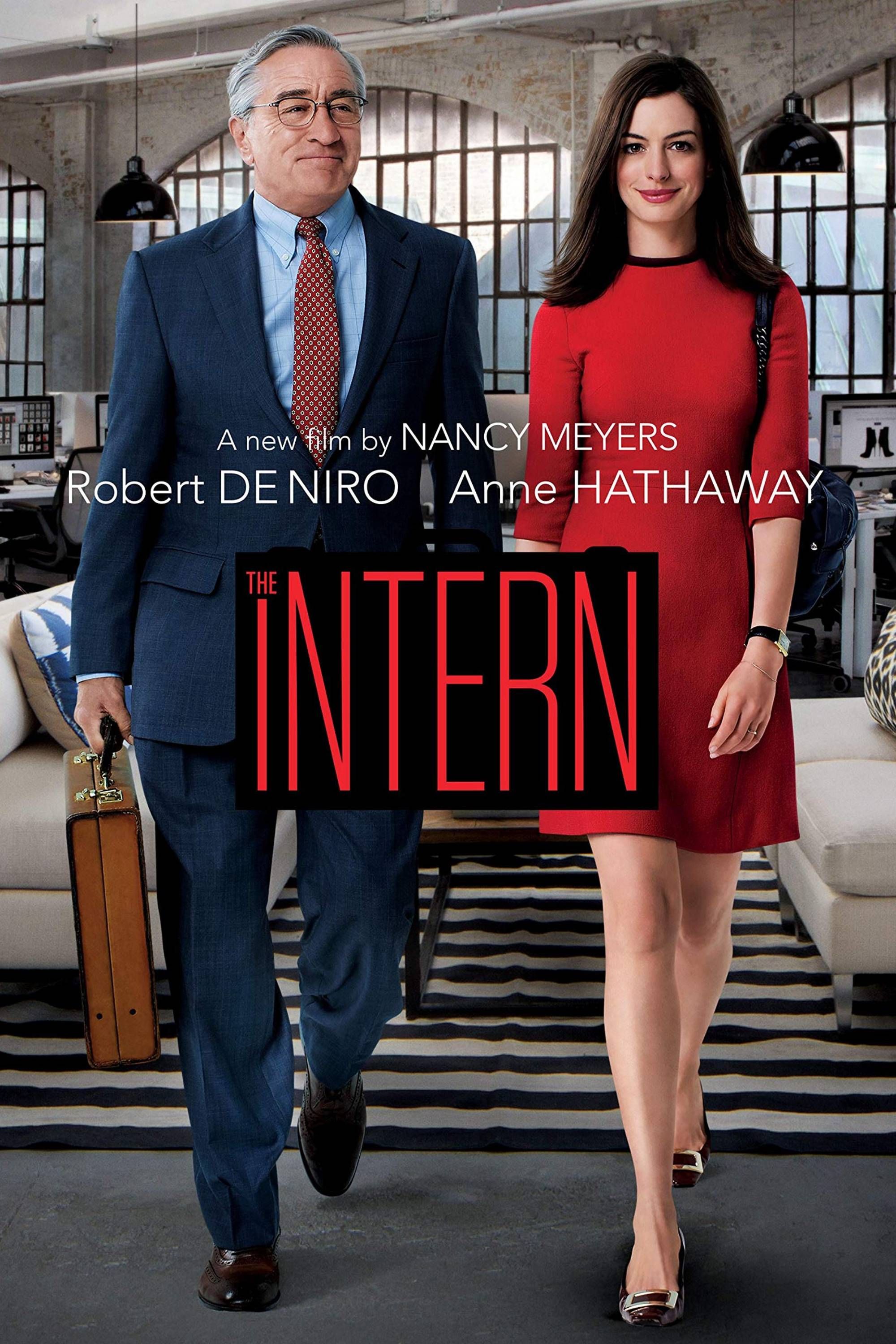
Nancy Meyers doesn't do "explosive." If you went into the 2015 film The Intern expecting a corporate takeover or a messy romantic affair between a 70-year-old widower and a thirty-something tech CEO, you were watching the wrong movie. People still obsess over The Intern ending because it’s so jarringly quiet. It’s a soft landing.
Most movies about high-stakes startups end with a buyout or a breakdown. This one ends with Tai Chi.
Honestly, it's kind of brilliant. Robert De Niro’s Ben Whittaker and Anne Hathaway’s Jules Ostin don’t fix their lives in the way Hollywood usually demands. They just decide to keep going. That’s the crux of it. When Jules tracks Ben down at the park in those final moments, she’s looking for a resolution to her marriage, her business, and her sanity. What she finds is a man breathing. Just breathing.
What Actually Happens in the Final Scenes
The tension peaks when Jules faces a massive fork in the road. Her company, About The Fit, is growing too fast. The investors are breathing down her neck to hire a "seasoned" CEO—basically a babysitter—because they don't think she can handle the scale. Simultaneously, her stay-at-home husband, Matt, has been cheating on her. It's a mess. A total, relatable, modern mess.
Jules spends the third act scouting for a CEO. She almost hires a guy in San Francisco just to save her marriage. She thinks if she works less, Matt will stop wandering. It's a sacrifice of her soul for a relationship that’s already cracked.
But then, Ben steps in. Not as a hero, but as a mirror.
He tells her she built this. He reminds her that nobody will care about the brand like she does. In a pivotal hotel room scene, Ben listens. He doesn’t judge. He just provides the "space" Jules needs to realize that hiring a CEO to please a cheating husband is a terrible trade-off.
Eventually, Matt shows up at the office. He confesses. He begs for another chance and tells her she shouldn't give up her company. It’s a rare moment of cinematic accountability that feels earned rather than forced. Jules decides to stay on as CEO. She decides to try and work it out with Matt, though the movie remains realistically ambiguous about whether they’ll actually make it.
Then we get the actual closing image.
Jules goes to find Ben to tell him the news. He’s not at his desk. He’s not in the office. He’s in the park doing Tai Chi with a group of seniors. She starts to babble about the business, and he just tells her to join him. She does. They stand there, moving slowly in the sunlight. The screen fades.
That’s it.
Why the Ending Irritates Some Viewers (And Why They’re Wrong)
Critics at the time, and even some fans on Reddit today, argue that The Intern ending feels unfinished. Where is the big board meeting? Where is the "six months later" montage showing Jules and Matt in therapy?
The lack of a traditional climax is the point.
Meyers is making a statement about the "always-on" nature of the 21st-century career. Jules is a woman who runs her life at 100 miles per hour. Her house is pristine, her warehouse is organized, and she literally rides a bicycle through her office to save time. For her, the "happy ending" isn't a successful IPO. The happy ending is learning how to stand still for five minutes without checking a notification.
Ben represents a generation that understood the value of a slow pace. By joining him in the park, Jules isn't giving up on her ambition. She’s just integrating Ben’s wisdom into her life. It’s about balance.
The Role of the "Senior Intern" as a Modern Archetype
We need to talk about Ben's character arc, or lack thereof. Ben doesn't actually change much in the movie. Usually, the protagonist undergoes a massive internal shift. Ben starts the movie as a wise, disciplined, lonely widower, and he ends it as a wise, disciplined, slightly less lonely widower.
The change happens in Jules.
The ending works because it validates the idea that "old school" isn't "obsolete." Ben’s insistence on carrying a handkerchief—not for him, but to offer to a woman—is the metaphor for the whole film. He is the emotional safety net. When the movie ends with Tai Chi, it symbolizes that Ben has successfully transferred his calm to Jules.
Real-World Context: Can a Ben Whittaker Actually Exist?
Is this realistic? In the world of 2026 tech, could a 70-year-old former phonebook executive really find a place at a fast-fashion startup?
Probably not in the way the movie depicts.
Modern ageism in tech is a documented issue. A study by ProPublica and The New York Times previously highlighted how older workers are often pushed out of high-growth environments. However, the "Returnship" movement—which is a real thing—seeks to do exactly what About The Fit did. Companies like Goldman Sachs and Amazon have launched programs specifically for people returning to the workforce after long breaks, including retirees.
- Mentorship over Management: The ending proves that Ben’s value wasn't in his knowledge of HTML, but in his "soft skills."
- The Power of Presence: In an era of remote work and Slack, Ben’s physical presence in the office changed the culture.
- Intergenerational Synergy: The ending suggests that the "youth vs. experience" trope is a false dichotomy. You need both.
The Marriage Subplot: A Controversial Choice
The decision to have Jules stay with Matt is perhaps the most debated part of The Intern ending. Some feel she should have kicked him to the curb. He cheated while she was building an empire.
However, Nancy Meyers often explores the "messy middle" of relationships. In It’s Complicated or Something’s Gotta Give, resolutions aren't always clean. By having Matt come to the office and apologize, the film suggests that people are capable of growth, but it doesn't promise a fairy tale. The focus remains on Jules's agency. She didn't stay because she had to; she stayed because she chose to try.
The Visual Language of the Final Scene
Look at the colors in that last park scene. Everything is green, bright, and airy. Compare that to the cold, blue-toned glass of the office or the dark, cramped feeling of the San Francisco hotel room.
The visual shift tells the story that the script doesn't say out loud. Jules has escaped the "box." She is finally in an open space.
Insights for Your Own Career "Ending"
Watching Ben and Jules helps us realize a few things about our own work-life struggles.
First, the "CEO" of your life should always be you. Jules almost gave that up to fix a problem she didn't create.
Second, find your "Ben." Everyone needs a person who isn't impressed by their title. Ben liked Jules because she was hardworking and kind, not because she was a "founder."
Lastly, understand that some problems don't get solved; they just get managed. The movie ends with the problems still existing—the company is still huge, the husband still cheated—but the character's approach to those problems has changed.
What to Do After Watching
If the ending left you wanting more, don't look for a sequel. Look at your own schedule.
- Audit your "handkerchief" moments. Are you providing value to the people around you in ways that aren't related to your job description?
- Practice the "Tai Chi" pause. Take five minutes today to do absolutely nothing productive. No phone. No podcast. Just exist in a space.
- Re-evaluate your mentors. If everyone you talk to is the same age as you, you're missing out on a massive wealth of perspective. Reach out to someone from a different generation this week.
The story of Ben and Jules isn't a blueprint for a business; it’s a blueprint for a temperament. Calm is a superpower. And in the end, that's the only thing Ben really had to teach.